
Japan is an island nation located in East Asia, known for its unique balance between centuries-old traditions and advanced modern innovation. From historic temples and peaceful gardens to futuristic cities and efficient transportation systems, Japan offers diverse travel experiences that attract millions of international visitors every year.
Over the past decade, tourism in Japan has experienced significant global growth. Travelers from North America, Europe, Australia, and other high-income regions increasingly choose Japan for cultural exploration, culinary experiences, technology-driven cities, and natural beauty. Improved infrastructure, safe urban environments, and well-organized public transportation further strengthen Japan’s reputation as a beginner-friendly destination.
For first-time visitors planning an international itinerary, Japan provides an accessible introduction to Asian travel while maintaining high standards of cleanliness, safety, and organization.
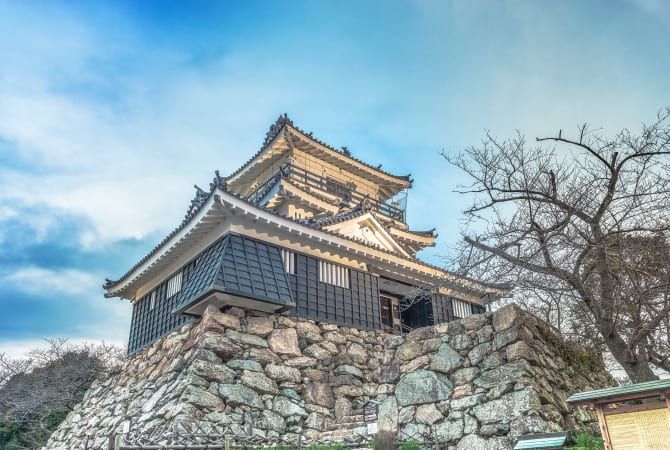
Japan stands out as a destination where tradition and innovation exist side by side. Travelers can explore ancient shrines in the morning and experience neon-lit entertainment districts by evening.
Japanese culture emphasizes respect, harmony, and craftsmanship. Visitors often experience traditional tea ceremonies, seasonal festivals, and historical architecture preserved for generations.
Despite its modern image, Japan features mountains, forests, coastlines, volcanoes, and hot springs. Scenic regions provide opportunities for relaxation and outdoor exploration throughout the year.
Japanese cuisine is globally recognized for quality and presentation. Regional specialties vary widely, offering travelers a deeper understanding of local traditions through food.
Japan attracts:
First-time international travelers
Digital nomads seeking efficient cities
Cultural explorers
Nature enthusiasts
Photography and architecture lovers
The country’s reliability and safety make independent travel relatively straightforward even for beginners.
Japan offers diverse destinations ranging from historic capitals to modern metropolitan hubs.
Tokyo, the capital city, represents modern Japan. Visitors encounter advanced technology, shopping districts, museums, and cultural neighborhoods. Areas such as Shibuya, Asakusa, and Shinjuku showcase contrasting lifestyles within one city.
Kyoto is widely considered one of the best places to visit in Japan for cultural tourism. Known for temples, shrines, and traditional wooden streets, the city preserves classical Japanese heritage.
Osaka is famous for its vibrant street culture and culinary traditions. The city combines historic landmarks with modern entertainment districts and waterfront attractions.
Mount Fuji, Japan’s most recognizable natural landmark, attracts hikers and photographers. Nearby lakes and scenic viewpoints provide peaceful landscapes ideal for nature-focused itineraries.
Located in northern Japan, Hokkaido is known for national parks, winter landscapes, and outdoor activities such as skiing and hiking.
Hiroshima offers important historical insights alongside modern redevelopment. Memorial parks and museums provide educational perspectives on global history.
Okinawa features subtropical beaches, marine biodiversity, and relaxed island culture distinct from mainland Japan.
Japan experiences four clearly defined seasons, each offering different travel advantages.
Spring is famous for cherry blossom season. Mild temperatures make sightseeing comfortable, and parks become major tourism highlights.
Summer includes festivals and mountain travel opportunities. Coastal areas and northern regions provide cooler alternatives.
Autumn foliage transforms landscapes into vibrant red and gold scenery. This season is often recommended for photography and cultural travel.
Winter tourism focuses on snow destinations and hot spring experiences. Northern Japan attracts winter sports enthusiasts.
Travel timing often depends on preferred activities rather than weather alone.
Understanding travel cost expectations helps visitors plan realistic itineraries.
Japan offers a wide range of accommodation types:
Business hotels
Traditional inns (ryokan)
Capsule hotels
Serviced apartments
Urban areas typically have higher nightly rates compared to regional towns.
Food options range from convenience store meals to high-end dining experiences. Affordable local restaurants make daily dining manageable for most travelers.
Transportation represents a major portion of travel expenses. High-speed rail networks allow efficient intercity travel, especially for multi-city itineraries.
Budget travelers often rely on public transit and compact hotels.
Mid-range travelers balance comfort and convenience.
Luxury travelers focus on premium accommodations and cultural experiences.
Japan supports multiple travel styles without sacrificing safety or quality.
Japan maintains structured yet straightforward entry procedures for international visitors.
Many countries benefit from visa exemption agreements allowing short-term tourism stays. Travelers should verify eligibility based on nationality before departure.
Common requirements include:
Valid passport
Return or onward travel confirmation
Accommodation details
Immigration documentation upon arrival
Keep digital and printed travel documents.
Review customs regulations.
Ensure travel insurance coverage for international trips.
Preparation helps reduce delays during entry procedures.
Japan’s transportation system is widely regarded as one of the most efficient globally.
Urban rail networks, subways, and buses connect major attractions seamlessly. Timetables are reliable and multilingual signage supports international travelers.
The bullet train network links major cities such as Tokyo, Kyoto, and Osaka, allowing fast long-distance travel.
Rechargeable transit cards simplify payment across trains, buses, and convenience stores.
Car travel is useful in rural regions where public transit coverage is limited. International driving permits are generally required.
Japan consistently ranks among the safest countries for tourists. Lost items are frequently returned, and public areas remain well monitored.
Important etiquette considerations include:
Removing shoes indoors when required
Maintaining quiet behavior on public transport
Respecting queues and personal space
Use public transportation passes
Visit free public parks and temples
Choose regional destinations outside peak tourist zones
Understanding local customs enhances overall travel experiences.
Japan provides diverse activities suitable for different travel interests.
Temple and shrine visits
Traditional tea ceremonies
Seasonal festivals
Historical walking tours
Mountain hiking
Skiing in northern regions
Coastal exploration
National park visits
Exploring traditional markets
Participating in local workshops
Experiencing hot springs (onsen culture)
These experiences allow travelers to engage with everyday Japanese life beyond major attractions.
Japan continues expanding tourism infrastructure to accommodate rising visitor numbers while preserving cultural heritage sites.
Major cities increasingly attract remote professionals due to reliable internet connectivity, safe environments, and efficient urban systems.
Authorities promote responsible tourism practices such as regional travel distribution and environmental conservation efforts.
Travelers are encouraged to explore lesser-known destinations to reduce overcrowding in popular cities.
Japan remains one of the world’s most fascinating travel destinations due to its cultural depth, natural beauty, technological innovation, and organized tourism infrastructure. Whether exploring historic temples, modern cityscapes, or peaceful rural landscapes, visitors encounter a country that blends tradition with contemporary living.
For international travelers planning their next itinerary, Japan offers a balanced travel experience suitable for cultural learning, outdoor exploration, and urban discovery. Its continued global appeal ensures that tourism in Japan remains strong among both first-time visitors and returning travelers seeking deeper experiences.
Disclaimer: The information provided in this article is for informational purposes only. We do not make any claims or guarantees regarding the accuracy, reliability, or completeness of the information presented. The content is not intended as professional advice and should not be relied upon as such. Readers are encouraged to conduct their own research and consult with appropriate professionals before making any decisions based on the information provided in this article.